
How many cities do you consider smart that you have ever being on? Well, as you know that Smart Cities are cities that use technology to provide their citizens with a better quality of life. Inside smart cities, different types of Internet of Things are used to collect Big Data.
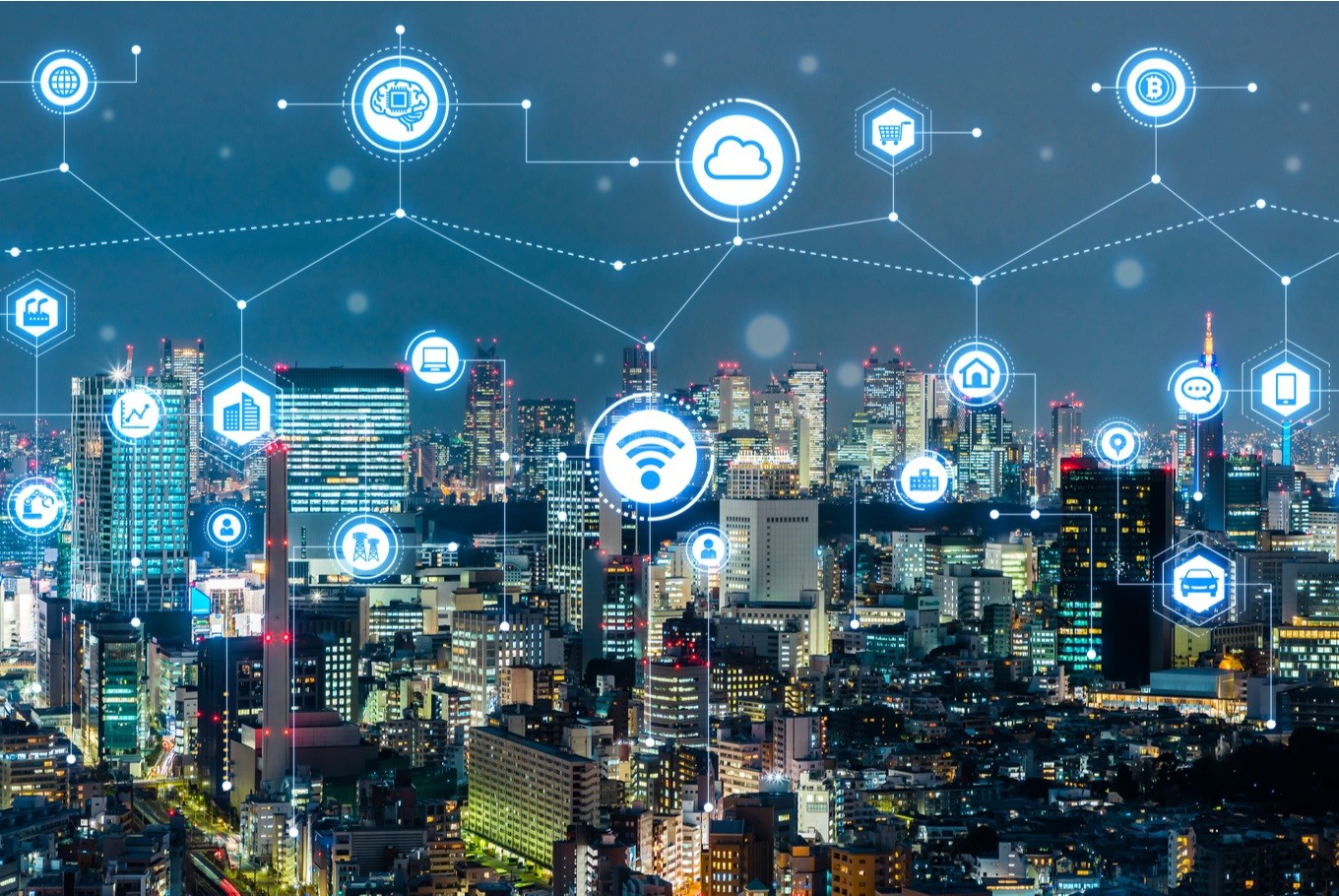
However, this results to use of Big Data in conjunction with systems powered by Artificial Intelligence to optimize city services such as traffic monitoring, transportation, power management, water management, waste management, crime detection, emergency management.
In smart cities, this interconnectivity allows citizens to work more efficiently while working fewer hours. The efficiency of the cities allows citizens to enjoy more free time. The sustainability of a healthy environment allows citizens to live healthier lives.
Smart Cities need “Smart” Software Development
Smart Cities thrive on the foundation of connecting people together through the Internet of Things (devices), Artificial Intelligence enabled Systems and Big Data Analytics. Each part of the process requires “Smart” Software Development.
Below are some of the Benefits of Smart Cities
As part of the #SmartCities Mission, Solapur has established a state-of-the-art Transfer Station for better management of waste.
— MoHUA (@MoHUA_India) December 11, 2019
With the use of modern technology, cities and ULBs will be able to handle, segregate and dispose off the waste in a phased manner#TransformingIndia pic.twitter.com/dGHcwymwD8
…and that’s a wrap!
— Smart City Expo Atlanta (@SmartCityATL) November 21, 2019
We had an incredible time learning more about #urbaninnovation and all things #cities at #SCEWC19 with our team and friends at @SmartCityExpo in Barcelona. Looking forward to bringing the global conversation to Atlanta in June! #SCATL20 #CitiesMadeofDreams pic.twitter.com/uaIeBfZSeP
To achieve better illumination, usage of energy-efficient technology and to shoulder the targets of National Mission for Enhanced Energy Efficiency, Surat Smart City has successfully completed its Smart Street Lighting Project. #TransformingIndia pic.twitter.com/u9YG5xVHPC
— Smart Cities Mission (@SmartCities_HUA) December 4, 2019
Cities explore #digital #mobility platforms
— The Smart City (@_smartcity_) November 11, 2019
Accelerating the realization of seamless, integrated transportation#smartcitied #digitaltransformation #autonomous #iot #futureofmobilitx #maas #caas #ondemand@DeloitteStratOp @DeloitteInsight
RT @WSWMUC https://t.co/8mpVoLsJBl pic.twitter.com/NNI71IOKQd
SUBSCRIBE TO OUR YOUTUBE CHANNEL BELOW TO WATCH MORE VIDEOS
Smart City Management and Planning Software
Beyond day-to-day operations, cities rely on smart city management software and planning tools to model growth, coordinate departments, and turn sensor data into decisions. Many of these platforms build on Internet of Things applications to connect infrastructure across the city.
Frequently Asked Questions
What is smart cities software?
Smart cities software is the set of platforms and applications a city uses to collect and analyze data from sensors, cameras, and connected devices, then manage services like traffic, energy, water, waste, and public safety more efficiently.
What are examples of smart city software?
Common examples include traffic and transportation management systems, smart lighting and energy platforms, water and utility monitoring, waste-management dashboards, and citizen-services or e-government portals.
What are the main types of smart city software?
The main categories are IoT data platforms, GIS and city-planning software, public-safety and surveillance systems, mobility and transit apps, and analytics dashboards that tie all the data together.
Who builds smart city software?
A mix of specialized smart city software companies, large technology vendors, and in-house municipal development teams build it, often using open standards so different systems can share data.